

Start with a clear brief for your garden
The first important step is to get a clear idea of how you want to use the garden in real life. Think about the routines you already have in place and the ones you want to build in.
You might, for instance, want a proper outdoor dining area near the house, a quieter spot further down the garden for a morning coffee, room for children to play without cutting across seating, or a layout that makes watering, mowing, and storage easier.
It helps to write a short wish-list in your head and then narrow it down to priorities. When decisions crop up later – where to put a path, how wide a patio should be, what sort of boundary gives you the privacy you want – you can come back to the brief and keep the project on track.
Survey what you’ve already got
Measure, note levels, drainage and sunlight
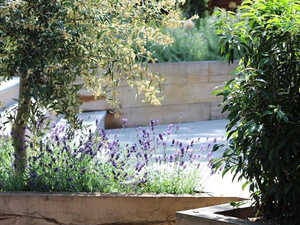
A good plan starts with an honest look at the garden space in question. Measure the outdoor areas and note anything fixed, such as manholes, drains, steps, and access points.
Pay attention to levels, because slopes and awkward corners often dictate where you’ll need retaining edges, steps, or a raised deck. If the garden holds water in winter, that’s worth addressing early so you’re not building on a problem that will only get worse.
Also, take a week or two to observe light and shade. Where does the sun fall in the morning, midday, and late afternoon? Those patterns can decide where seating feels comfortable, where planting will thrive, and whether screening is necessary to cut wind or improve privacy.
Set a realistic budget and timeline
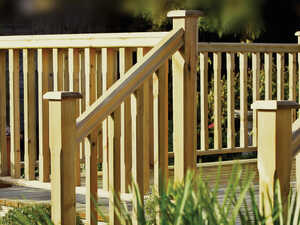
Costs can escalate quickly in a garden renovation, mainly when changes are made mid-build. A simple way to stay in control is to decide what must be done first, what can follow later, and what can wait until the garden has settled in.
Hard landscaping and boundaries usually come before planting, and anything that involves digging and levels often needs to happen before surfaces go down.
If you’re aiming for a spring start, winter is ideal for planning, ordering materials, and booking any help you might need. As the weather improves, you can move into groundwork and structural tasks, then finish with planting and styling once those primary tasks are complete.
Design the hard landscaping first
Decking, patios, paths and retaining edges
Hard landscaping shapes how the garden feels and how you move through it. This is where you decide on zones and routes, and where the materials you choose will make the biggest visual difference.
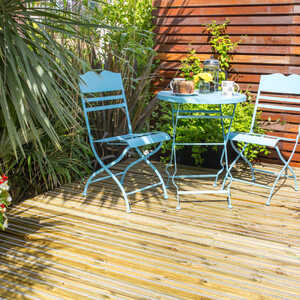
If you like the warmth of timber underfoot, decking can create a clean, usable surface that works well for dining and seating. Fountain Timber stocks Scandinavian decking boards, bamboo decking, and Millboard decking, along with the structural parts needed for a solid base, including deck posts, joists and sub-frame components. If you’re building a raised deck, it’s sensible to check building regulations and get professional input for higher structures, particularly once you’re getting above 600mm.
For patios and pathways, paving and aggregates help you create durable surfaces and neat transitions between areas. For all your garden and patio needs, you can find a superb range of quality aggregates at Bowland Stone in Bristol. If you want a softer, more natural route through the garden, timber chips can be a practical choice for walkways and family spaces, especially from our pathways and play areas range.
Where level changes or borders are needed, sleepers are one of the most versatile options. They work well for raised beds, steps, retaining edges, and tidy separation between lawn, gravel, and planting. Once you’ve decided where the structure goes, you can plan the decorative layer, using barks, mulches and composts to finish borders, suppress weeds, and improve moisture retention. Melcourt should be your first port of call when it comes to growing media, mulches, and soil improvers – with a great range of RHS-approved products.
Plan boundaries, privacy and access
Fencing is often the difference between a garden that feels exposed and one that feels relaxed and usable. Start by deciding what the boundary needs to do. If privacy is your main goal, you’ll usually want minimal gaps and a sturdy build. If security is a chief concern, height, strength, and a lockable gate become priorities. In more exposed gardens, windbreak-style fencing or screening that allows some airflow can reduce the worst gusts without turning the boundary into a sail.
Fountain Timber’s fencing and gates range covers traditional and modern styles, plus all the supporting components that make a fence last. For a classic look that suits most homes, traditional featheredge is a reliable option, and it’s easy to tailor to the height and run of your garden.
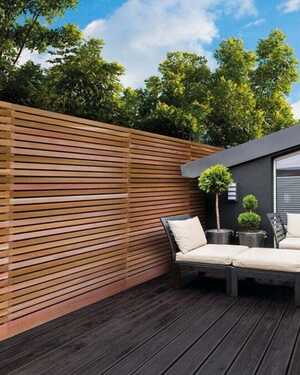
If you want something more contemporary, Skyline Western Red Cedar slats give a clean, modern finish. For borders, pathways, and softer separation between spaces, picket fencing adds definition without closing the garden in.
If you’re looking for a low-maintenance post system with a crisp finish, DuraPost is a strong alternative to timber or concrete posts, with matching accessories for a cohesive build. For practical, agricultural, or pet-secure boundaries, wire, stock fencing and netting can be a better fit, especially around side passages, allotment-style areas, or larger plots.
To complete the installation properly, it’s worth planning the supporting parts at the same time, including posts for fencing and gates and fencing accessories. If your renovation includes a new entrance or side access, a well-made gate finishes the boundary and makes the space feel intentional, and you can explore options within garden timber gates.
Build planting areas that are easy to maintain
Soil improvement, raised beds and year-round interest
Planting is where homeowners can imprint their individual style on a garden, but it’s also where maintenance can creep up if the layout isn’t practical. Aim for borders that you can reach easily, beds that have clean edges, and surfaces that reduce mud and mess during wet months.
If you’re improving tired ground or starting fresh after building work, soil conditioners can help restore structure and fertility, especially when combined with compost and mulch.
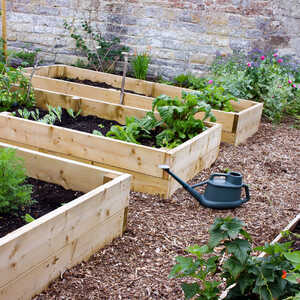
Raised beds are also a strong option when drainage is poor, when you want crisp geometry, or when you prefer planting at a comfortable height. Fountain Timber’s potting, planters, raised beds and borders range makes it easier to introduce structure quickly, and sleepers can be used to build bespoke beds when you want a specific size or height.
To keep the garden looking tidy as it matures, a top layer of bark or mulch helps suppress weeds and protect moisture, and you can choose from barks and broader barks and mulches depending on the finish you want.
Storage, shade and features that give the space purpose
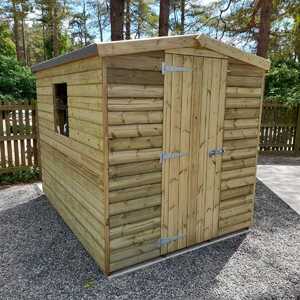
Garden renovations often feel incomplete without the practical pieces that support everyday use. A shed, for example, can remove clutter from the house and keep tools accessible, which makes it more likely that the garden stays tidy.
If you’re planning storage as part of the renovation, Fountain Timber’s garden sheds and buildings options include ready-to-go options such as the Hutton Apex Shed, Hutton Pent Shed, and Security Shed. For more flexibility, Powersheds offer modular panel designs that can be configured during assembly by positioning doors and windows where they suit your layout.
Structures also help divide the garden into zones. An arch or arbour can create a natural transition into a seating area, and you can explore options within garden structures. Once the layout is established, garden furniture helps you define the spaces you’ve built, particularly when you’re setting up a dining area or a quieter spot away from the house.
Don’t forget the practical materials
Timber, fixings and woodcare that keep everything solid
A garden renovation relies on the unseen details as much as the headline features. Sub-frames, supports, edging, and fixings all affect how long the finished result will last. If you’re building pergolas, raised beds, screens, or simple garden joinery, it’s worth looking at Fountain Timber’s broader timber range, including construction timber and sheet materials for projects that need structure and stability.
For secure installation, stock up on the right fixings and fasteners, and plan your timber protection from the start with preservers and woodcare. A consistent approach to treatment and finishing helps outdoor timber cope with weather, reduces maintenance, and keeps the garden looking good as it beds in.
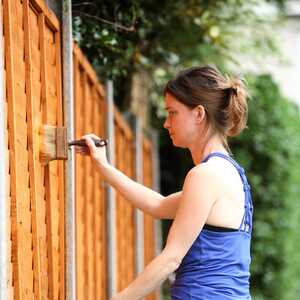
For a wide palette of colours and a smooth, modern finish, Thorndown Wood Paint is the high-performing option for all your painting needs – a range that can be used on most types of exterior and interior timber. Perfect for fencing, garden buildings, planters or furniture.
How we can help with your spring garden renovation
Planning early gives you more choice, fewer compromises, and a smoother build once the weather improves. If you’re renovating a garden in Bristol, Bath, North Somerset, or across the South West, Fountain Timber can help you pull together the right materials across the full project – from garden and landscaping essentials to fencing, decking, sleepers, aggregates, timber, sheds, fixings, and finishes.
If you want a second opinion on your plan, or you’d like help choosing the best products for your layout and budget, speak to our team and we’ll be happy to talk it through.
The information and advice in this article is provided in good faith and is designed to give general information and guidance. Any reliance you place on such information is therefore strictly at your own risk. If in doubt we strongly recommend you seek professional assistance.
If you need further advice with your purchase please ask our experienced staff, we will be happy to help!
Posted on January 29th 2026
 Updating page...